Choosing the Right Social Media Platform for Your Industry and Goals
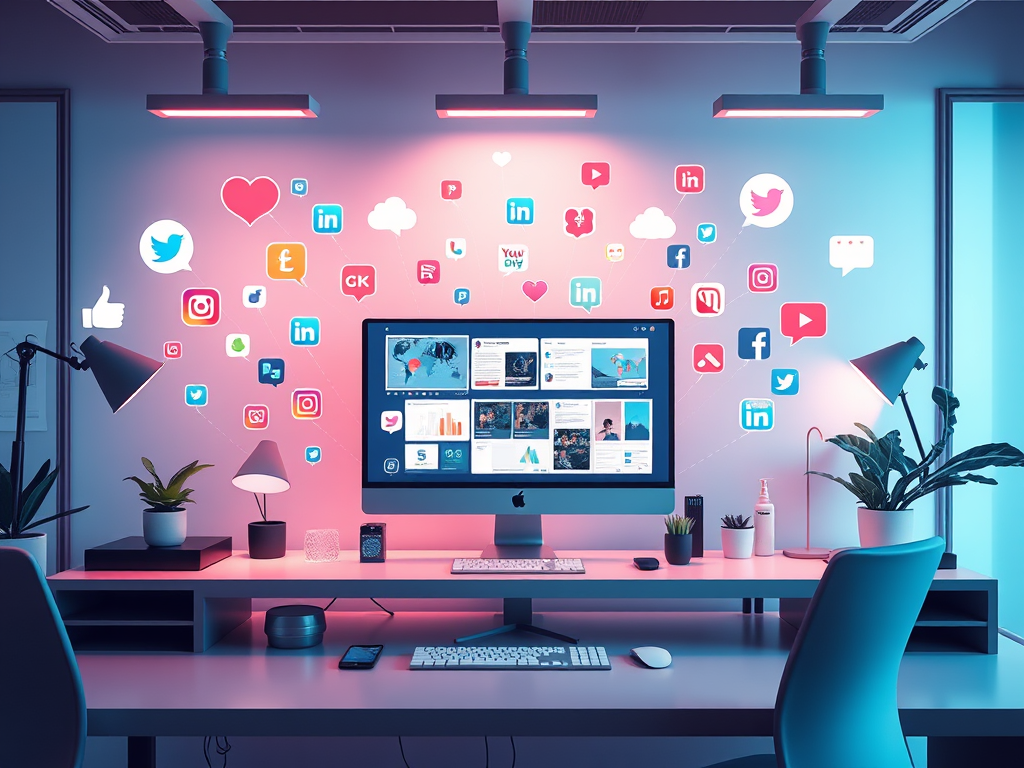
In today’s digital landscape, social media is a cornerstone of effective marketing. But with so many platforms available, it’s crucial to choose the right ones that align with your industry and business goals. Each platform serves a unique audience and offers different strengths, so understanding which one fits your needs can make all the difference in your digital marketing success.
1. Instagram – Visual Storytelling and Brand Building
Best for: Lifestyle brands, fashion, beauty, food, travel, and creative industries.
Goals: Brand awareness, engagement, and product showcasing.
Instagram is perfect for businesses that thrive on visual content. High-quality images, Reels, and Stories offer creative ways to showcase your products and services. With its highly visual nature, brands can craft aesthetically pleasing content that resonates with their audience. Instagram’s strong engagement rates make it ideal for building community and brand loyalty. Features like Instagram Shopping also allow for seamless e-commerce integration, enabling businesses to drive sales directly from their posts.
Best Practices: Consistency is key on Instagram—maintain a cohesive visual aesthetic and post regularly to keep your audience engaged. Use a mix of content types, including Reels for discoverability, Stories for real-time updates, and carousel posts for deeper storytelling. Leverage hashtags strategically to expand your reach, and engage actively with comments and DMs to build a strong community.
2. LinkedIn – B2B Networking and Professional Services
Best for: B2B companies, consultants, SaaS businesses, and professional service providers.
Goals: Lead generation, thought leadership, and networking.
LinkedIn excels in professional networking and B2B marketing. It’s a powerful platform for sharing industry insights, building authority, and connecting with decision-makers. Businesses can use LinkedIn for content marketing through articles, updates, and case studies while also leveraging its advertising capabilities for lead generation. The platform’s professional environment makes it ideal for establishing credibility, showcasing expertise, and forming valuable industry connections.
Best Practices: Post valuable, industry-relevant content that positions your brand as a thought leader. Use LinkedIn’s publishing tools to write in-depth articles and case studies. Engage with your network by commenting on and sharing insightful posts, and don’t shy away from using LinkedIn Ads to reach decision-makers with targeted campaigns.
3. Facebook – Community Building and Paid Advertising
Best for: Local businesses, retail, e-commerce, and service providers.
Goals: Customer engagement, community building, and targeted advertising.
Facebook’s vast user base and versatile features make it suitable for businesses looking to foster community and drive conversions. Facebook Groups help build niche communities where businesses can interact directly with their audience, fostering loyalty and trust. Its advanced ad platform allows precise audience targeting based on demographics, interests, and behaviors, making it one of the most effective tools for paid social advertising. Additionally, Facebook’s event features and marketplace capabilities offer further opportunities for customer interaction and sales.
Best Practices: Focus on creating engaging content that sparks conversation—ask questions, run polls, and share user-generated content. Use Facebook Groups to build tight-knit communities around your brand, and take advantage of Facebook Ads’ targeting capabilities to reach the right audience with tailored offers and content.
4. TikTok – Viral Content and Youth Engagement
Best for: Entertainment, fashion, beauty, lifestyle, and brands targeting Gen Z.
Goals: Brand visibility, viral marketing, and creative engagement.
TikTok’s short-form video format is perfect for brands that want to tap into trends and create shareable, engaging content. Its algorithm favors creative and authentic videos, allowing businesses to reach a broad audience quickly. By participating in challenges, using trending sounds, and showcasing behind-the-scenes content, brands can humanize their presence and foster deeper connections. TikTok’s ability to make content go viral provides an excellent opportunity for brand visibility and awareness, especially among younger demographics.
Best Practices: Stay on top of trends and participate in popular challenges to increase discoverability. Use humor, storytelling, and authenticity in your videos to connect with your audience. Post consistently and experiment with different video lengths and formats to see what resonates best.
5. Twitter (X) – Real-Time Updates and Thought Leadership
Best for: News outlets, tech companies, public figures, and SaaS businesses.
Goals: Brand awareness, customer support, and industry influence.
Twitter’s fast-paced nature makes it ideal for real-time engagement and industry conversations. It’s a great platform for sharing updates, engaging with customers, and positioning your business as a thought leader through insightful commentary. With features like Twitter Spaces and threads, businesses can host discussions and provide in-depth perspectives on relevant topics. Twitter also serves as a powerful customer service tool, allowing brands to respond quickly to questions and concerns.
Best Practices: Maintain an active presence by tweeting multiple times a day. Share valuable insights, industry news, and real-time updates. Use Twitter threads to provide in-depth commentary, and engage with your audience through replies, retweets, and polls to foster interaction.
6. Pinterest – Inspiration and Product Discovery
Best for: E-commerce, home decor, DIY, fashion, and lifestyle brands.
Goals: Product discovery, website traffic, and visual marketing.
Pinterest works well for businesses with visually appealing products and content. Users often visit Pinterest with purchasing intent, making it a valuable platform for driving traffic to product pages and increasing conversions. By creating themed boards and pinning high-quality images linked to your website, businesses can inspire potential customers and lead them down the purchasing funnel. Pinterest’s visual search capabilities also make it easier for users to discover your products organically.
Best Practices: Use high-quality, vertically-oriented images and create keyword-rich descriptions for your pins. Organize your boards into clear themes to help users navigate your content easily. Pin consistently and take advantage of Pinterest Analytics to track your most popular content and refine your strategy.
7. YouTube – Long-Form Content and Education
Best for: Education, tech, entertainment, fitness, and personal brands.
Goals: Brand authority, content monetization, and audience engagement.
YouTube is the go-to platform for long-form video content. Businesses can use it to create tutorials, product reviews, and educational content that builds trust and positions their brand as an industry expert. With YouTube’s search engine capabilities, well-optimized videos can attract a steady stream of viewers over time. The platform also offers monetization options and analytics tools to track engagement and improve content performance.
Best Practices: Create high-quality videos with clear audio and visuals. Optimize your video titles, descriptions, and tags for searchability. Post consistently and use playlists to keep viewers engaged with related content. Encourage likes, comments, and subscriptions to boost your video’s visibility.
8. Snapchat – Real-Time Content and Authentic Engagement
Best for: Brands targeting younger demographics, lifestyle, and entertainment industries.
Goals: Brand awareness, behind-the-scenes content, and authentic engagement.
Snapchat’s ephemeral content model makes it perfect for brands looking to showcase real-time updates and authentic moments. With features like Stories and Snap Map, businesses can create a sense of urgency and exclusivity around their content. Snapchat also offers interactive features like AR lenses and filters, which brands can use to drive engagement and creativity.
Best Practices: Keep your content fun, spontaneous, and authentic. Use Snapchat’s creative tools like stickers, filters, and AR lenses to add personality to your posts. Engage with your audience through polls, Q&A sessions, and behind-the-scenes content to build a more personal connection.
Ready to Build Your Social Strategy?
Choosing the right social media platform depends on your industry, audience, and business goals. By understanding the unique strengths of each platform, you can create a targeted digital marketing strategy that maximizes engagement and drives results. Need help crafting the perfect social media plan for your business? Grand Line Digital is here to guide you. Let’s build a strategy tailored to your industry and goals!


 Grand Line Digital
Leave a comment